
Understanding Heavy Equipment in the Philippine Market
Heavy equipment plays a crucial role in the growth and efficiency of various industries in the Philippines. From construction to mining and agriculture, these machines enable projects to be completed faster, safer, and more efficiently. Heavy equipment typically includes large machinery designed to perform specialized tasks, such as earthmoving, lifting, road building, and material handling. In the Philippine market, demand for heavy machinery continues to grow, fueled by urban development, infrastructure projects, and the expansion of mining and agricultural sectors. Contractors and project managers are constantly looking for suppliers who can provide reliable, high-quality machines that withstand local environmental and operational conditions. Choosing the right heavy equipment supplier Philippines can directly impact a project’s success, as it affects not only equipment availability but also long-term operational costs. With numerous suppliers in the country, understanding what qualifies as reputable and dependable is essential for businesses aiming to maintain productivity and minimize downtime.
Types of Heavy Equipment Available in the Philippines
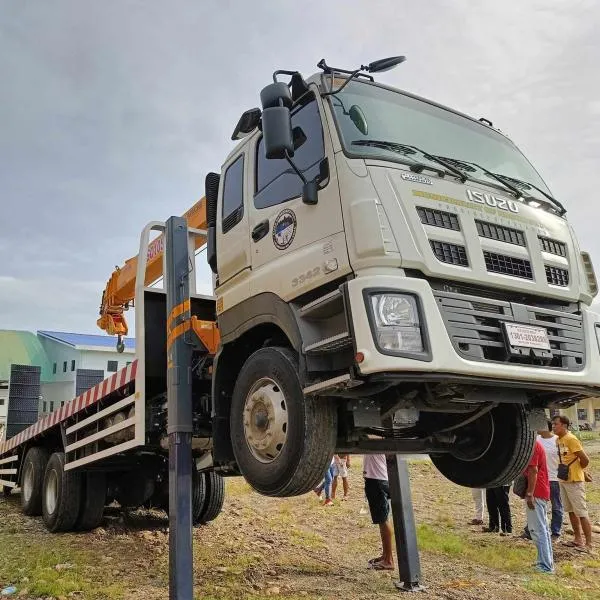
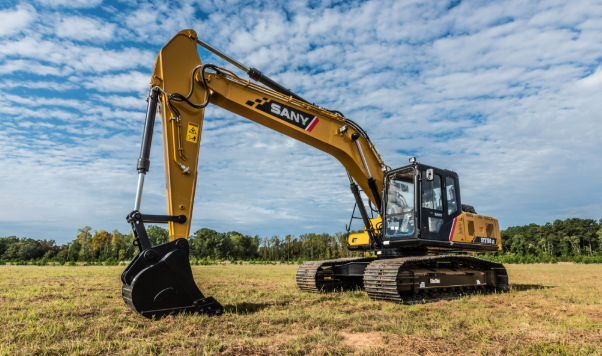
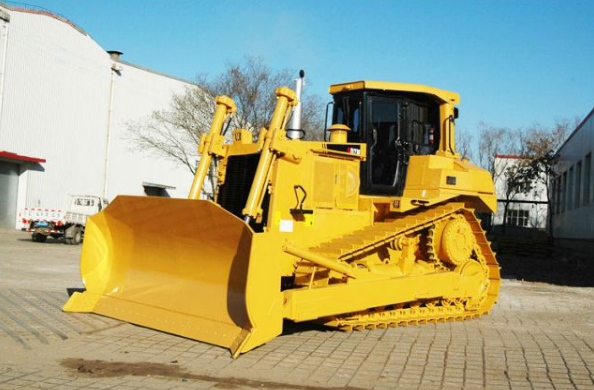
Heavy equipment comes in different categories, each serving specific purposes. Earthmoving equipment, for example, includes excavators, bulldozers, loaders, and backhoes, all essential for construction and mining projects. Lifting and material handling equipment such as cranes, forklifts, and telehandlers are critical in moving heavy loads and maintaining workflow efficiency. Road construction machinery, including graders, pavers, and compactors, supports infrastructure development across urban and rural areas. Mining and quarry operations rely on rock crushers, dump trucks, and drilling rigs to manage heavy materials and extract resources efficiently. Agricultural machinery, such as tractors, harvesters, and plows, helps large-scale farming operations increase yield while reducing manual labor. Suppliers in the Philippines often offer both brand-new and refurbished equipment, allowing buyers to choose based on budget and project needs. Being aware of these categories allows businesses to identify which machines are essential for their operations and locate suppliers that specialize in those types.
Factors to Consider When Choosing a Heavy Equipment Supplier
Selecting the right heavy equipment supplier Philippines involves evaluating multiple factors to ensure long-term reliability. Product quality and reliability are paramount, as low-quality machines can lead to costly delays and frequent repairs. Local support and maintenance services play a significant role, especially for companies located outside major cities, where immediate assistance may be limited. Financing and leasing options are also worth considering, as they can help businesses manage upfront costs without compromising on equipment quality. Warranty coverage is a strong indicator of a supplier’s confidence in their products, and after-sales service ensures machines remain operational throughout their lifecycle. Reputation and track record are other critical considerations; suppliers with a proven history of serving reputable contractors tend to provide higher levels of service and support. Conducting thorough research, requesting client references, and evaluating service packages are essential steps for businesses seeking dependable heavy equipment partners in the Philippines.
Popular Heavy Equipment Brands in the Philippines
Several international and local brands dominate the Philippine heavy equipment market. International brands are often associated with durability, advanced technology, and extensive service networks. Local distributors provide tailored services, including maintenance and spare parts, making them convenient for ongoing project support. Some widely recognized brands available in the Philippines include Caterpillar, Komatsu, Volvo, Doosan, and Hitachi, all known for their reliability and performance. Local dealers often offer additional services, including equipment customization and operator training, which can be crucial for maximizing productivity. Price ranges vary significantly between brands, with refurbished units being more budget-friendly while new units provide longer service life. Comparing brands on durability, performance, and after-sales support allows businesses to make informed decisions that align with their operational requirements and financial capacity.
Buying vs. Leasing Heavy Equipment
Deciding whether to buy or lease heavy equipment depends on a project’s duration, budget, and operational needs. Purchasing outright offers full ownership, giving businesses flexibility in machine usage and customization, but it requires significant upfront capital. Leasing or rental agreements, on the other hand, provide access to equipment without heavy initial investment and allow companies to upgrade machines as newer models become available. Leasing also reduces maintenance responsibilities, as suppliers typically handle service and repairs during the contract period. Businesses with short-term projects may find leasing more practical, while long-term operations often benefit from owning equipment due to lower overall costs. Evaluating total cost of ownership, project timeline, and equipment utilization rate is essential in making the right decision. Many heavy equipment supplier Philippines companies offer both options, making it easier for clients to match the solution with their project requirements.
Tips for Ensuring Long-Term Equipment Performance
Maintaining heavy equipment is vital to extend its lifespan and maximize return on investment. Routine maintenance schedules, including regular oil changes, filter replacements, and inspections, prevent small issues from turning into costly repairs. Training equipment operators on correct usage reduces wear and tear, ensuring machines operate safely and efficiently. Using genuine spare parts from suppliers helps maintain performance standards and avoids compatibility issues with original machinery. Partnering with a supplier for preventive maintenance contracts guarantees timely service and reduces downtime. Monitoring machine performance through digital systems or maintenance logs allows project managers to anticipate repairs before breakdowns occur. Prioritizing equipment care not only preserves machine value but also enhances project reliability and worker safety.
Innovations in Heavy Equipment and Technology Trends
The heavy equipment industry is rapidly evolving, with new technologies improving efficiency, safety, and sustainability. Eco-friendly and fuel-efficient machines reduce operational costs and environmental impact, which is increasingly important for companies seeking to meet green standards. Smart machinery equipped with telematics allows operators to monitor equipment remotely, track usage, and schedule maintenance more effectively. Automation and semi-autonomous equipment enhance precision in construction and mining, reducing labor requirements and minimizing errors. Safety features such as collision detection, load sensors, and operator alerts are becoming standard, improving workplace safety and compliance. Suppliers that adopt these innovations provide clients with competitive advantages, enabling projects to be completed faster and with higher accuracy. Staying updated on technological trends ensures businesses can invest in machines that meet modern demands while remaining cost-effective.
Regulatory Compliance and Safety Standards in the Philippines
Operating heavy equipment in the Philippines requires adherence to government regulations and safety standards. Companies must comply with the Department of Labor and Employment (DOLE) guidelines for machinery safety and operator training. Certification for operators and equipment inspections ensures machines are fit for use and minimizes workplace accidents. Environmental compliance is also crucial, especially in mining and construction, where equipment emissions and noise may be regulated. Suppliers offering guidance on regulatory compliance provide additional value, helping businesses avoid penalties and legal complications. Safety protocols, including proper signage, hazard assessments, and protective gear, should be enforced consistently on all worksites. Selecting a heavy equipment supplier Philippines with knowledge of local regulations ensures clients can operate machines responsibly and legally.
Common Challenges in Procuring Heavy Equipment
Sourcing heavy equipment in the Philippines presents several challenges that businesses must anticipate. Importation delays and customs procedures can slow down project timelines, especially when dealing with international brands. Equipment compatibility with local terrain and climate conditions must be considered to prevent operational inefficiencies or frequent breakdowns. Balancing cost with performance is a critical challenge, as cheaper machines may reduce initial expenditure but lead to higher maintenance costs over time. Availability of spare parts and trained service personnel can also impact machine longevity and project schedules. Ensuring proper delivery and installation is essential, particularly for large-scale or specialized machinery. Businesses need to perform due diligence, including verifying supplier credentials, checking references, and inspecting equipment before finalizing procurement. Anticipating these challenges helps companies secure reliable heavy equipment solutions without compromising productivity.
Frequently Asked Questions (FAQ)
- What is the best heavy equipment supplier in the Philippines?
Reputable suppliers offer a wide range of brands, provide reliable after-sales support, and have established track records serving construction, mining, and agricultural industries. - Can I lease heavy equipment instead of buying?
Yes, leasing or rental agreements are common, offering access to machines without heavy upfront costs and often including maintenance support. - How do I ensure the equipment I buy is authentic and reliable?
Working with authorized dealers, verifying serial numbers, and requesting equipment inspection reports helps ensure authenticity and reliability. - What financing options are available for heavy machinery in the Philippines?
Suppliers often provide financing packages, bank loans, or installment plans, making it easier for businesses to acquire the equipment they need. - Are there suppliers that offer after-sales maintenance and support?
Yes, many established suppliers provide preventive maintenance, spare parts, and technical support, ensuring machines remain operational and efficient.
Takeaway
Choosing the right heavy equipment supplier Philippines is a strategic decision that impacts project efficiency, cost management, and long-term operational success. Understanding the types of machinery, evaluating supplier reliability, considering financing options, and maintaining equipment properly are critical steps for businesses in construction, mining, and agriculture. By partnering with knowledgeable and reputable suppliers, companies can access advanced machinery, benefit from local support, and adopt modern technologies that enhance productivity and safety. Making informed decisions about procurement, maintenance, and regulatory compliance ensures heavy equipment investments deliver optimal value for years to come.