

Choosing the right Compactor Truck supplier Philippines is an important decision for local government units, municipalities, waste management companies, contractors, and organizations responsible for regular waste collection. A compactor truck is not simply another commercial vehicle. It is specialized equipment that needs to handle heavy loads, repeated collection routes, wet waste, demanding road conditions, and long operating hours.
The right Compactor Truck supplier Philippines should therefore provide more than a truck at a competitive price. Buyers should also consider equipment specifications, chassis options, compaction technology, body construction, spare parts, warranty coverage, operator training, customization, and after-sales service.
Balfront Industries and Equipment Corporation provides special-purpose trucks and heavy equipment for different industries and institutional applications in the Philippines. Its product range includes the Apache Garbage Refuse Press Pack Compactor Truck, which is available in different configurations and capacities to accommodate various waste collection requirements.
Understanding what to look for before purchasing can help organizations make a more informed investment and select equipment that can support reliable waste collection operations for years.
Why Choosing the Right Compactor Truck Supplier Matters
Waste collection operations depend heavily on vehicle availability. When a compactor truck experiences frequent breakdowns, collection schedules can be disrupted, maintenance expenses can increase, and additional vehicles may be needed to compensate for downtime.
This makes supplier selection an important part of fleet planning. A reliable Compactor Truck supplier Philippines should be able to provide equipment that matches the buyer’s operational requirements while also offering support after delivery.
The supplier should understand that different customers have different needs. A city with dense urban routes may require a different configuration from a municipality serving rural communities. Similarly, a private waste management company may prioritize fleet efficiency, while an LGU may place greater emphasis on durability, documentation, procurement requirements, and long-term support.
A dependable supplier should help buyers evaluate these considerations instead of simply recommending the largest or most expensive truck available.
Understand What Your Waste Collection Operation Actually Needs
Before contacting a Compactor Truck supplier Philippines, identify the requirements of your waste collection operation. A clear understanding of your routes, waste volume, road conditions, collection frequency, and available personnel makes it easier to determine the appropriate truck configuration.
Determine the Required Hopper Capacity
Compactor truck capacity should correspond to the amount of waste collected during regular routes. A truck that is too small may require more trips to disposal facilities, while an unnecessarily large unit may result in higher acquisition and operating costs.
The Apache Garbage Refuse Press Pack Compactor Truck from Balfront is available with hopper capacities ranging from 2 CBM to 15 CBM, providing options for different waste collection applications.
When determining capacity, consider the average amount of waste collected per route, the distance to the disposal or transfer facility, the number of collection points, and how frequently the truck returns for unloading.
Consider Road Conditions and Collection Routes
Philippine waste collection routes can include highways, city streets, residential roads, barangay roads, industrial areas, and uneven provincial roads. These conditions can affect the appropriate chassis and truck configuration.
A good Compactor Truck supplier Philippines should ask about the actual routes where the vehicle will operate. Road width, traffic conditions, terrain, turning space, and loading locations can all influence the best configuration.
Choose the Appropriate Wheel and Drive Configuration
Different collection operations may require different wheel configurations. Smaller routes may work well with a more compact vehicle, while larger operations may benefit from higher-capacity configurations.
Balfront’s Apache compactor truck can be configured as a 4-wheeler, 6-wheeler, or 10-wheeler depending on the required application. Discussing the intended use with the supplier can help determine which configuration provides the right balance between capacity, maneuverability, and operating requirements.
Evaluate the Compactor Truck’s Build and Specifications
The truck’s specifications should be examined carefully before making a purchase. A quotation may look attractive, but the equipment needs to be evaluated based on how it will perform under actual working conditions.
A knowledgeable Compactor Truck supplier Philippines should be able to explain the major components of the vehicle and how they contribute to performance and durability.
Check the Chassis Brand and Configuration
The chassis serves as the foundation of the vehicle. Buyers should consider the chassis manufacturer, engine specifications, payload capacity, serviceability, and availability of parts.
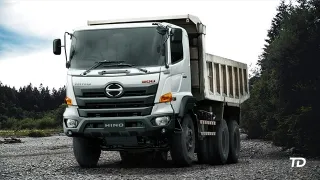
Balfront offers Apache compactor trucks using chassis options from brands including Isuzu, Mitsubishi, Hino, and Hyundai. The appropriate choice depends on the customer’s requirements, preferred configuration, operating environment, and project specifications.
Examine the Hydraulic Compaction System
The compaction mechanism is one of the most important components of a garbage compactor truck. Hydraulic systems allow collected waste to be compressed, helping maximize the available storage space inside the body.
Buyers should ask about the hydraulic components, controls, maintenance requirements, and expected operating performance. Reliable hydraulic components can help reduce operational interruptions and maintain consistent compaction performance.
Look at Body Construction and Corrosion Resistance
Garbage collection exposes a truck to moisture, dirt, organic waste, leachate, and potentially corrosive materials. The body therefore needs to be durable and suitable for the intended environment.
Weather conditions also matter. High temperatures, heavy rain, and humidity can place additional demands on equipment operating in the Philippines.
A capable Compactor Truck supplier Philippines should be able to explain how the truck body is constructed and whether its design is appropriate for wet waste and local operating conditions. Balfront describes its Apache compactor trucks as tropicalized for Philippine conditions and designed to handle heat, heavy rain, and corrosive wet waste.
Check Spare Parts Availability Before Buying
A compactor truck can only remain productive when critical components can be repaired or replaced when necessary. Before purchasing, ask the supplier about spare parts availability and technical support.
Important questions include:
- Are genuine replacement parts available?
- How quickly can commonly needed parts be supplied?
- Are hydraulic components readily available?
- Does the supplier maintain access to wear parts and service components?
- Can parts be delivered outside Metro Manila?
- Is technical assistance available when a component requires troubleshooting?
Working with a Compactor Truck supplier Philippines that can provide dependable parts support can help reduce unnecessary downtime.
Balfront states that it provides spare-parts support and nationwide delivery across Luzon, Visayas, and Mindanao. This type of support can be particularly important for customers operating fleets outside major urban centers.
Compare Warranty and After-Sales Support
The relationship with a supplier should not end when the truck is delivered. Specialized equipment requires maintenance, troubleshooting, and technical assistance throughout its operating life.
Before purchasing from a Compactor Truck supplier Philippines, review the warranty terms carefully. Determine what components are covered, how long the warranty lasts, and what procedures must be followed when requesting warranty service.
It is also useful to ask whether the supplier provides on-site technical support and maintenance services.
Balfront provides a one-year warranty for brand-new equipment and trucks and offers technical and after-sales services. Having access to supplier support can provide additional confidence for organizations that depend on their trucks for daily operations.
Ask About Operator Training and Preventive Maintenance
Even a well-built compactor truck can experience avoidable problems when it is operated incorrectly or maintenance procedures are neglected.
A reliable Compactor Truck supplier Philippines should help customers understand proper operation and basic maintenance requirements. Training may cover safe operation, daily inspections, loading procedures, hydraulic system checks, and preventive maintenance.
Operators should also know how to identify early signs of mechanical or hydraulic problems. Detecting an issue before it becomes a major failure can help reduce repair costs and downtime.
Balfront states that new equipment deliveries include training, commissioning, demonstrations, and preventive maintenance instruction. These services can help operators become familiar with the equipment and its proper operating procedures.
Make Sure the Supplier Can Customize the Compactor Truck
Every waste collection operation is different. A standardized truck may not always meet the exact needs of a municipality, contractor, or private waste management company.
Customization can involve the hopper capacity, chassis, wheel configuration, lifting mechanism, body configuration, or other project-specific requirements.
For example, the type of garbage bins used by a customer can influence the appropriate lifter mechanism. Balfront notes that the lifter mechanism of its Apache compactor truck can be customized for different waste-bin types.
When evaluating a Compactor Truck supplier Philippines, ask whether customization is possible and whether the supplier has the technical capability to implement project-specific requirements.
Verify Registration, Compliance, and Procurement Requirements
Documentation is another important consideration, particularly for government organizations and companies operating regulated commercial vehicles.
Before purchasing, ask the supplier about the documents that will accompany the truck. Depending on the project and applicable requirements, these may include vehicle registration documents, receipts, technical specifications, warranty documentation, and other relevant paperwork.
Balfront states that customized trucks are delivered with LTO Certificate of Registration and Official Receipt under the client’s name.
Government buyers should also make sure that the proposed equipment meets their procurement specifications and technical requirements before finalizing a purchase.
Compare Total Cost of Ownership Instead of Just the Purchase Price
Price is an important factor, but it should not be the only consideration when selecting a Compactor Truck supplier Philippines.
A truck with a lower initial price could potentially become more expensive over time if it requires frequent repairs, has limited parts availability, consumes more fuel, or experiences extended downtime.
Total cost of ownership can include:
- Initial purchase price
- Fuel consumption
- Preventive maintenance
- Replacement parts
- Hydraulic system maintenance
- Tire replacement
- Repair costs
- Downtime
- Operator training
- Warranty coverage
- Expected service life
A slightly higher initial investment may provide better long-term value when the equipment is durable, properly supported, and suited to the customer’s operations.
For this reason, buyers should compare complete supplier proposals rather than comparing the truck price alone.
Look for a Supplier With Experience in Special-Purpose Trucks
Compactor trucks are specialized vehicles. Suppliers with experience in special-purpose trucks are often better positioned to understand the requirements involved in designing, supplying, and supporting this type of equipment.
Ask potential suppliers about their experience serving organizations such as local government units, municipalities, utilities, industrial facilities, agricultural organizations, contractors, and waste management operators.
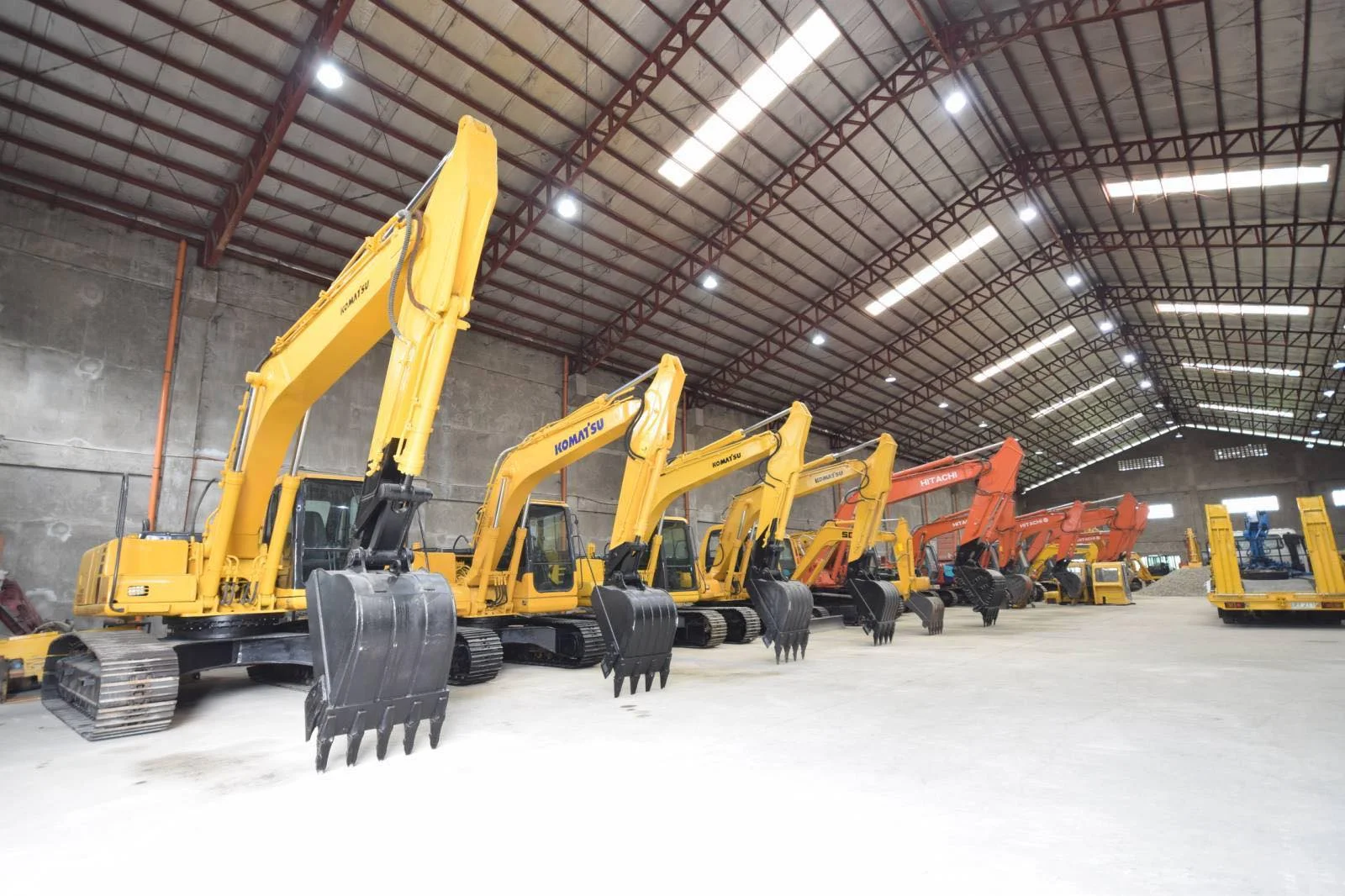
Balfront Industries and Equipment Corporation specializes in heavy equipment and special-purpose trucks for various applications in the Philippines. Its product portfolio extends beyond compactor trucks to other specialized vehicles and construction equipment.
This broader experience can be valuable for organizations that operate multiple types of equipment or expect their fleet requirements to expand in the future.
Why Balfront Industries Is a Practical Option for Compactor Trucks in the Philippines
Balfront Industries and Equipment Corporation offers specialized equipment for Philippine businesses, government organizations, and other institutional customers.
Its Apache Garbage Refuse Press Pack Compactor Truck provides several configuration options for different waste collection requirements. Hopper capacities range from 2 CBM to 15 CBM, while available configurations include 4-wheeler, 6-wheeler, and 10-wheeler options.
The truck can also be paired with chassis options from established vehicle brands, including Isuzu, Mitsubishi, Hino, and Hyundai. Customization options can help customers configure the vehicle according to their waste collection system and bin requirements.
Another consideration is support after purchase. Balfront provides warranty coverage, technical assistance, spare-parts support, training, and preventive maintenance guidance. These services can help customers maintain their vehicles and address operational concerns over the equipment’s service life.
For organizations looking for a Compactor Truck supplier Philippines, evaluating the complete package offered by Balfront can help determine whether its equipment and support services match the project’s requirements.
A Simple Checklist for Choosing a Compactor Truck Supplier
Before selecting a Compactor Truck supplier Philippines, buyers can use the following checklist:
- Appropriate hopper capacity
- Suitable chassis and engine configuration
- Correct wheel configuration
- Reliable hydraulic compaction system
- Durable truck body
- Resistance to moisture and corrosive waste
- Suitability for Philippine weather and road conditions
- Available spare parts
- Clear warranty terms
- Accessible technical support
- Nationwide after-sales service
- Operator training
- Preventive maintenance guidance
- Customization options
- Proper vehicle documentation
- Competitive total cost of ownership
- Experience with special-purpose trucks
A supplier that can satisfy most or all of these requirements is more likely to provide a complete solution rather than simply selling a vehicle.
Frequently Asked Questions About Choosing a Compactor Truck Supplier in the Philippines
What should I look for in a Compactor Truck supplier Philippines?
Look for a supplier that offers suitable truck specifications, reliable chassis options, customization, spare-parts availability, warranty coverage, technical support, operator training, and after-sales service. Supplier experience with special-purpose vehicles is also important.
What size compactor truck should an LGU choose?
The appropriate size depends on waste volume, population served, collection frequency, route distance, road conditions, and disposal-site distance. A Compactor Truck supplier Philippines should assess these factors before recommending a hopper capacity.
How much does a compactor truck cost in the Philippines?
The cost varies depending on hopper capacity, chassis brand, wheel configuration, compaction system, customization, and other specifications. Instead of relying on a general price estimate, organizations should request a quotation based on their actual requirements.
Are brand-new compactor trucks better than surplus units?
Brand-new trucks can offer advantages such as warranty coverage, current specifications, proper documentation, predictable maintenance requirements, and supplier support. Surplus units may have a lower initial cost, but buyers should carefully consider their condition, parts availability, maintenance history, and long-term operating expenses.
Can a compactor truck be customized for different garbage bins?
Yes. Depending on the supplier and equipment design, components such as the lifter mechanism, hopper capacity, chassis, and body configuration may be customized. Balfront’s Apache compactor truck includes customization options for different waste-bin types.
Why is after-sales service important when buying a compactor truck?
Waste collection vehicles are frequently used and may operate under demanding conditions. Reliable after-sales service provides access to technical assistance, spare parts, maintenance support, and warranty services when issues arise.
Does Balfront provide after-sales support for compactor trucks?
Balfront Industries and Equipment Corporation provides warranty, technical, spare-parts, and after-sales support for its equipment. The company also offers training and preventive maintenance guidance for new equipment deliveries.