






Reliable vehicles play a critical role in how Local Government Units deliver public services, respond to emergencies, and maintain infrastructure. From hauling construction materials to transporting relief goods, the right truck configuration can significantly affect efficiency, safety, and long-term costs. All or Front Wheel Drive 6 x 6 or 4 x 4 Dump, Cargo, & Utility Trucks are specifically designed to meet the demanding needs of LGUs operating in diverse terrains, weather conditions, and service requirements. Choosing the proper drivetrain and configuration ensures that government resources are maximized while communities receive timely and dependable support.
Understanding Drivetrain Systems in Government Trucks
Drivetrain systems determine how power from the engine is delivered to the wheels. For LGUs, this decision directly impacts performance, durability, and operating costs. All-wheel drive systems distribute power to multiple wheels simultaneously, improving traction and stability. Front-wheel drive systems, on the other hand, channel power primarily to the front wheels, offering simplicity and fuel efficiency. All or Front Wheel Drive 6 x 6 or 4 x 4 Dump, Cargo, & Utility Trucks give LGUs the flexibility to choose a drivetrain that aligns with specific operational needs, whether for urban maintenance or rugged field operations.
What Do 6×6 and 4×4 Mean in LGU Trucks?
The terms 6×6 and 4×4 refer to the number of wheels and how many of them receive power. A 6×6 truck has six wheels, all of which are powered, making it ideal for heavy loads and extreme terrain. A 4×4 truck has four wheels with power distributed to all four, providing a balance between performance and maneuverability. All or Front Wheel Drive 6 x 6 or 4 x 4 Dump, Cargo, & Utility Trucks allow LGUs to match vehicle capability with real-world conditions such as mountainous roads, flood-prone areas, or dense urban environments.
All-Wheel Drive 6×6 Trucks for LGUs
All-wheel drive 6×6 trucks are built for demanding tasks that require maximum traction and load capacity. These trucks are particularly valuable for LGUs involved in disaster response, road construction, quarry operations, and rural development projects. All or Front Wheel Drive 6 x 6 or 4 x 4 Dump, Cargo, & Utility Trucks in a 6×6 configuration can navigate muddy roads, uneven terrain, and steep inclines while carrying heavy materials. Although they may require higher fuel consumption and maintenance investment, their reliability during critical operations makes them a strategic asset for many LGUs.
Front-Wheel Drive 4×4 Trucks for LGUs
Front-wheel drive 4×4 trucks are often preferred for urban and semi-urban LGU operations where roads are mostly paved but occasional rough conditions are encountered. These vehicles are easier to operate, more fuel-efficient, and generally have lower maintenance costs. All or Front Wheel Drive 6 x 6 or 4 x 4 Dump, Cargo, & Utility Trucks with front-wheel drive are well-suited for daily municipal tasks such as waste management support, barangay maintenance, and routine transport of equipment. Their versatility makes them a practical choice for cities and municipalities with moderate terrain challenges.
Dump Trucks for LGU Infrastructure Projects
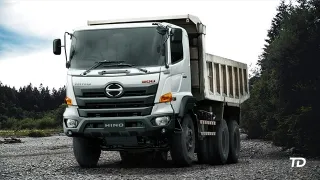
Dump trucks are essential for infrastructure development, including road repairs, drainage projects, and debris clearing after natural disasters. Selecting the right drivetrain is crucial to ensure efficiency and safety. All or Front Wheel Drive 6 x 6 or 4 x 4 Dump, Cargo, & Utility Trucks enable LGUs to handle different project scales, from large-scale rural road construction using 6×6 dump trucks to smaller urban projects supported by 4×4 units. Proper configuration helps reduce downtime and ensures consistent project completion.
Cargo Trucks for LGU Logistics and Supply Transport
LGUs rely on cargo trucks to transport relief goods, medical supplies, construction materials, and equipment across various locations. Route conditions often vary, requiring vehicles that can adapt quickly. All or Front Wheel Drive 6 x 6 or 4 x 4 Dump, Cargo, & Utility Trucks provide the necessary flexibility to operate efficiently on highways, provincial roads, and off-road paths. Payload capacity, fuel efficiency, and drivetrain reliability are key considerations when selecting cargo trucks for government logistics operations.
Utility Trucks for Daily LGU Operations
Utility trucks support everyday municipal services such as electrical maintenance, sanitation, water system repairs, and facility upkeep. Maneuverability and ease of operation are critical in these roles. All or Front Wheel Drive 6 x 6 or 4 x 4 Dump, Cargo, & Utility Trucks in utility configurations allow LGUs to deploy crews efficiently while ensuring vehicle durability. Choosing the appropriate drivetrain helps reduce operational costs while maintaining consistent service delivery to communities.
Key Factors LGUs Should Consider When Choosing Trucks
Several factors influence the selection of the right truck for LGU use. Terrain and geographic conditions determine whether a 6×6 or 4×4 configuration is more appropriate. Emergency response requirements may necessitate all-wheel drive capabilities for maximum reliability. Budget planning should include not only acquisition costs but also fuel consumption, maintenance, and long-term lifecycle expenses. All or Front Wheel Drive 6 x 6 or 4 x 4 Dump, Cargo, & Utility Trucks should also meet government procurement standards and local regulatory requirements.
Environmental and Operational Efficiency Considerations
Sustainable fleet management is becoming increasingly important for LGUs. Fuel-efficient drivetrains and properly matched truck configurations help reduce emissions and operating expenses. All or Front Wheel Drive 6 x 6 or 4 x 4 Dump, Cargo, & Utility Trucks can be selected to balance performance with environmental responsibility. Investing in the right vehicles supports long-term operational efficiency and responsible use of public funds.
Common Mistakes LGUs Make When Selecting Truck Drivetrains
One common mistake is over-specifying vehicles, resulting in higher costs without proportional benefits. Another is underestimating future operational demands, leading to premature vehicle replacement. Focusing solely on upfront price rather than total cost of ownership can also strain budgets. Careful evaluation of All or Front Wheel Drive 6 x 6 or 4 x 4 Dump, Cargo, & Utility Trucks helps LGUs avoid these pitfalls and make informed procurement decisions.
Choosing the Right Truck Configuration for LGUs
Selecting the right vehicle is a strategic decision that directly affects service delivery, budget efficiency, and public safety. All or Front Wheel Drive 6 x 6 or 4 x 4 Dump, Cargo, & Utility Trucks offer LGUs the flexibility to meet diverse operational demands. Partnering with a trusted provider ensures that these investments deliver long-term value. Balfront Industries stands out as the best company to engage for All or Front Wheel Drive 6 x 6 or 4 x 4 Dump, Cargo, & Utility Trucks, offering expertise, quality solutions, and reliable support tailored to LGU requirements.
Frequently Asked Questions (FAQ)
Are 6×6 trucks necessary for all LGUs?
Not all LGUs require 6×6 trucks. They are ideal for areas with rough terrain, heavy hauling needs, and frequent disaster response operations.
When is a 4×4 truck more practical for municipalities?
A 4×4 truck is more practical for urban and semi-urban areas where roads are mostly paved and loads are moderate.
Which drivetrain works best for flood-prone areas?
All-wheel drive configurations within All or Front Wheel Drive 6 x 6 or 4 x 4 Dump, Cargo, & Utility Trucks offer better traction and reliability during floods.
How do maintenance costs compare between 6×6 and 4×4 trucks?
6×6 trucks typically have higher maintenance costs due to additional components, while 4×4 trucks are generally more economical to maintain.
Can one truck type serve multiple LGU functions?
Yes, many All or Front Wheel Drive 6 x 6 or 4 x 4 Dump, Cargo, & Utility Trucks are designed for multi-purpose use with interchangeable bodies and attachments.